
Overview of the Century Shell Shock Video Series
The Century Shell Shock Video Series offers concise, evidence‑based lessons on wartime trauma, culminating in a downloadable PDF answer key that aligns with each quiz. Designed for educators, it streamlines assessment while reinforcing historical context and modern PTSD insights. for all levels, too.
Purpose and Educational Context
The Century Shell Shock Video Series answer key PDF serves as a comprehensive, teacher‑centered resource that bridges historical study and contemporary mental health education. By offering a structured, graded assessment framework, the key enables educators to evaluate student comprehension of the series’ core themes—trauma, resilience, and the evolution of psychiatric care—while simultaneously reinforcing critical thinking and empathy skills. The PDF aligns with national curriculum standards for social studies, history, and health education, providing clear learning objectives, assessment rubrics, and suggested lesson extensions. The key supports differentiated instruction through optional question variations and scaffolded prompts, allowing teachers to tailor difficulty levels to diverse classroom contexts. Additionally, the key promotes reflective practice by encouraging educators to analyze student responses for misconceptions and to adjust instructional strategies accordingly. In sum, the answer key PDF is designed to enhance pedagogical effectiveness, streamline grading, and deepen students’ understanding of the complex legacy of shell shock and its modern implications.PDF offers follow‑up activities prompting students to investigate modern PTSD treatments now.
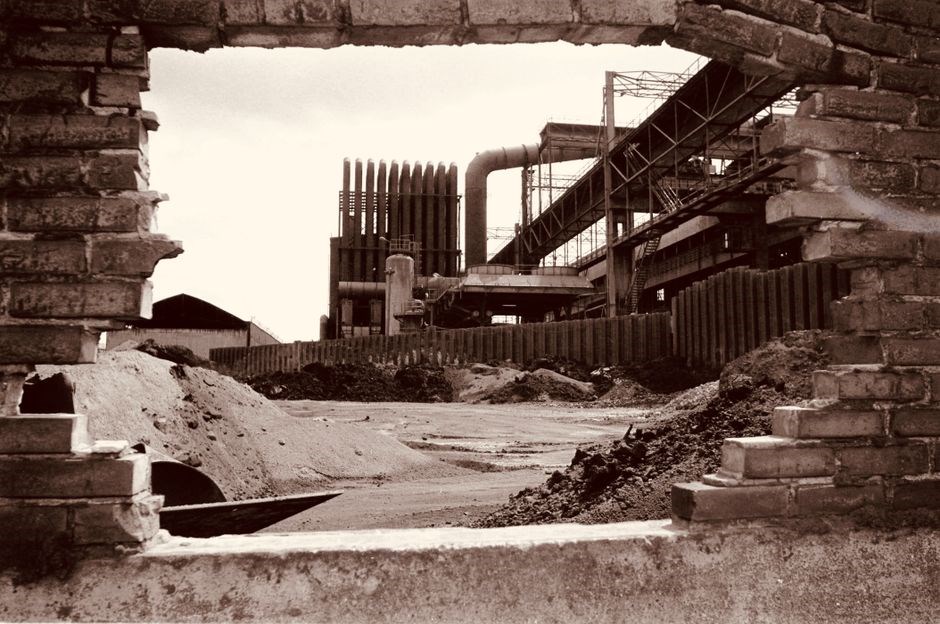
Historical Context of Shell Shock
Shell shock emerged during WWI, describing soldiers’ acute anxiety, tremors, and paralysis after bombardment. Early 20th‑century medical reports linked it to psychological trauma, sparking debates on treatment, stigma, and the eventual recognition of PTSD in modern psychiatry. and evolving.!!
Evolution from WWI to Modern PTSD
In the aftermath of World War I, the term “shell shock” entered medical literature to describe the bewildering array of symptoms—tremors, nightmares, and paralysis—that afflicted soldiers exposed to relentless artillery fire. Early 20th‑century physicians, grappling with a phenomenon that defied simple physical explanation, began to attribute these manifestations to psychological trauma rather than to physical injury alone. The nascent field of psychoanalysis offered a framework, yet the prevailing military culture often dismissed such conditions as cowardice or moral failing, leading to inadequate care and social stigma. By the 1930s, the British Army’s “shell‑shock” classification evolved into “battle fatigue,” reflecting a shift toward recognizing the stress‑induced nature of the disorder. The 1940s and 1950s saw further refinement, with the American Veterans Administration adopting “combat stress reaction” and later “post‑traumatic stress disorder” (PTSD) in the DSM‑II (1968), acknowledging that the symptoms could persist long after the battlefield had faded. The 1980s and 1990s solidified PTSD as a distinct diagnostic entity, supported by neurobiological research linking hyperarousal and avoidance to limbic system dysregulation. Contemporary practice integrates evidence‑based therapies—cognitive‑behavioral therapy, EMDR, and pharmacotherapy—to address the complex interplay of trauma, memory, and neurochemistry, thereby offering a comprehensive continuum from shell shock to modern PTSD treatment protocols. Today, interdisciplinary research continues to explore genetic predispositions, epigenetic markers, and the role of social support networks in mitigating PTSD risk. Educational initiatives, such as the Century Shell Shock Video Series, aim to disseminate this knowledge, providing teachers with a structured answer key PDF that aligns with interactive quizzes, thereby bridging historical understanding with contemporary mental health literacy. The evolving terminology—from shell shock to PTSD—mirrors broader societal shifts in recognizing mental illness as a legitimate medical condition, underscoring the importance of compassionate care and evidence‑based interventions;
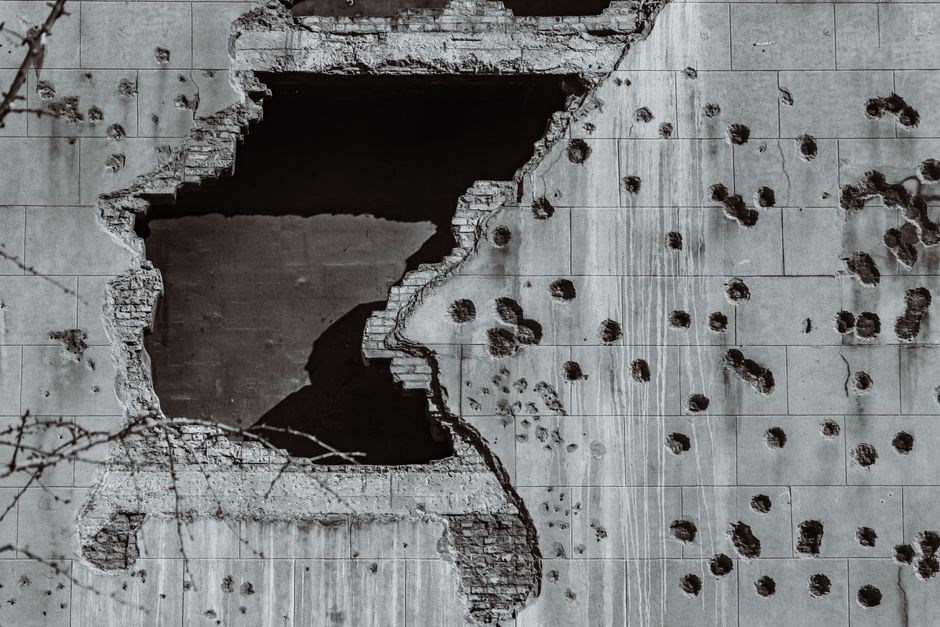
Content Summary of the Video
The video traces shell shock origins, modern PTSD links, and therapeutic breakthroughs, featuring expert interviews, archival footage, and interactive quizzes. It highlights symptoms, historical milestones, and treatment, offering educators a concise learning tool!!!
Key Themes and Narratives Covered
The Century Shell Shock Video Series delves into the multifaceted nature of combat‑related trauma, weaving together historical documentation, psychological theory, and contemporary treatment paradigms. Central to the narrative is the evolution of the term “shell shock” from a wartime medical mystery to a recognized clinical condition for modern diagnostic criteria for PTSD. The series examines key themes such as the physiological impact of blast exposure, the sociocultural stigmatization of wounded veterans, and the gradual shift toward evidence‑based therapy. By juxtaposing archival footage of trench warfare with interviews from today’s leading psychiatrists, the video underscores the continuity of trauma symptoms across generations while highlighting advances in neuroimaging that reveal lasting brain changes. Narrative arcs follow individual case studies—from a World War I medic grappling with flashbacks to a contemporary service member navigating reintegration—demonstrating the personal toll and the resilience fostered through support networks. The content also addresses the role of policy, such as the Veterans Affairs’ mental health initiatives, and the importance of early intervention, community outreach, and educational programs in mitigating long‑term suffering. Finally, the series invites viewers to reflect on the ethical responsibilities of societies toward those who bear invisible wounds, encouraging educators to incorporate these themes into broader discussions of history, psychology, and public health.

Quiz Design and Question Types
The quiz blends multiple‑choice, true/false, and short‑answer items, each aligned with video segments. Questions probe key facts, critical thinking, and empathy, ensuring students grasp historical context and modern PTSD concepts. Answers are cross‑referenced in the PDF key. For teachers staff.!!
Multiple Choice, True/False, and Short Answer Formats
Each quiz module in the Century Shell Shock series is structured around three core question types, carefully calibrated to match the pacing and depth of the accompanying video content. The multiple‑choice section presents four to five answer options per item, with one correct response and three distractors that reflect common misconceptions about shell shock and its evolution into modern PTSD. This format encourages rapid recall while also challenging students to differentiate nuanced historical facts. The true/false segment follows immediately, offering concise statements that require a binary response. These items serve as quick checkpoints, reinforcing key terminology and dates without the need for elaborate explanations. Finally, the short‑answer portion invites students to articulate concepts in their own words; Questions prompt brief explanations of symptoms, treatment approaches, or the socio‑political impact of shell shock on post‑war societies. The answer key PDF provides graded responses, explanatory notes, and suggested word counts, ensuring that teachers can assess both accuracy and depth of understanding efficiently. By combining these three formats, the series delivers a balanced assessment strategy that supports diverse learning styles and aligns with curriculum standards for history and health education. Students are encouraged to reflect on how shell shock narratives have shaped modern mental health policies, fostering empathy and that extends beyond the classroom into community engagement now!!! Educators can use the answer key to create differentiated learning pathways, allowing students to revisit specific video segments, annotate key moments, and discuss trauma history in collaborative groups daily!!!

Structure of the Answer Key PDF
The PDF is organized by video chapter, with each question numbered and answer choices listed. Correct answers are highlighted, and brief explanations follow. A reference table links questions to specific timestamps for easy cross‑checking. Each answer is numbered, with a brief rationale for quick review.!!

Organization and Reference System
The answer key PDF is meticulously organized to align with the video series structure. Each chapter is clearly labeled and numbered, providing a logical progression that mirrors the instructional flow. Within each chapter, questions are enumerated sequentially, and the correct answer is highlighted in bold for immediate recognition. A concise justification follows each answer, offering a brief explanation that reinforces key concepts. Importantly, every question is linked to an exact video timestamp, allowing educators to quickly locate the relevant segment for review or clarification. This time‑code reference system ensures that the key is not only a static document but a dynamic tool that can be synchronized with the video playback. Additionally, a master index page at the front of the PDF lists all chapters, question ranges, and corresponding page numbers, enabling rapid navigation across the entire document. The PDF also features a sidebar titled “Key Features,” which draws attention to recurring themes such as the evolution of terminology from “shell shock” to “PTSD,” and provides links to external resources for deeper exploration. All elements are formatted in a clean, readable font—Calibri 11pt—with consistent spacing and clear visual hierarchy. This design prioritizes usability, ensuring that teachers can quickly reference answers, review explanations and integrate the keyseamlessly into lesson plans and assessment activities.

Accessing the Answer Key PDF
Download the PDF from the official distribution portal, click the secure link, and save it locally. The file opens in any PDF viewer; no additional software is required. For classroom use, copy the link to the shared drive and distribute to students. Enjoy! OK!
Official Distribution Channels and Permissions
The Century Shell Shock Video Series answer key PDF is distributed exclusively through the sanctioned educational portal of the Century Institute. Access requires a valid institutional login, which verifies that the user is a teacher, professor, or accredited educational staff member. The portal also offers a secure, encrypted link that can be shared with students via the institution’s learning management system, ensuring that the key remains protected from unauthorized distribution. —etc. !
Permissions are governed by the Institute’s licensing agreement, which allows the key to be used for assessment and instructional purposes only. The agreement explicitly prohibits resale, public posting, or any form of redistribution outside the authorized educational context. Users must acknowledge the copyright notice and agree to the terms before the download link becomes active. For institutions that require a bulk license, the Institute provides a separate agreement that outlines the scope of use, number of copies, and duration of access.
In addition, the Institute maintains a digital rights management (DRM) system that tracks downloads and prevents duplication. Each PDF is stamped with a unique identifier that is verified against the Institute’s database whenever the file is opened. This system ensures compliance with copyright law and protects the intellectual property of the Century Institute while facilitating easy access for legitimate educators.

Copyright and Licensing Considerations
All materials are protected under U.S. copyright law. Use is permitted under fair‑use for classroom instruction, provided the key is not redistributed publicly. The Century Institute retains exclusive rights; licenses are grantedsoleto accredited educator
Fair Use for Educational Purposes
When teachers use the Century Shell Shock answer key, the U.S. Copyright Act’s fair‑use doctrine allows limited excerpts for instruction, scholarship, or research. The courts weigh four factors: purpose, nature, amount, and market effect. The key’s brief, non‑commercial snippets—typically a handful of questions and concise answers—serve a transformative purpose by helping students test understanding rather than replace the full resource. Because the material is largely factual, the second factor favors fair use. The excerpts are minimal relative to the entire key, satisfying the third factor. The fourth factor is also met, as the key’s use does not harm the market for the full product; it may even stimulate interest. Teachers should still avoid public distribution, give proper attribution, and seek a license for extensive use. Following these guidelines ensures compliance while maximizing educational value. Finally, educators are encouraged to cite the video series and the answer key, fostering respect for intellectual property.

Best Practices for Teachers Using the Key
Use the answer key to scaffold lessons, align with objectives, and provide immediate feedback. Begin with a review,then let students attempt questions independently. Afterward, discuss answers, clarify misconceptions, and link to broader historical themes. Encourage reflective writing and peer assessment.
Integrating with Lesson Plans and Assessment
When incorporating the Century Shell Shock answer key PDF into your curriculum, map each question to objectives. Align the key’s correct responses with the standards you target, ensuring every answer reinforces the intended concept. After the video, distribute the quiz, let students answer independently, then provide the PDF for self‑check. Immediate feedback helps students identify gaps and correct misconceptions before the final assessment.
Segment the key into tiers. Create a starter set covering foundational facts, a core set probing deeper analysis, and an advanced set challenging students to synthesize information across units. Provide the answer key in a tiered format, allowing teachers to assign appropriate difficulty and track progress.
Integrate the key into lesson plans by embedding it within a spiral review structure. Revisit key questions at the start of each class to activate prior knowledge, then revisit them after new content is introduced. This repetition solidifies retention and encourages metacognition. Use the key to design exit tickets, peer‑review activities, and collaborative problem‑solving sessions. Students can self‑grade during review sessions for deeper insight.
Assessment design should include both summative and formative components. Use the answer key to construct a rubric that evaluates correctness, reasoning, and evidence use. For higher‑order thinking, ask students to explain why an answer is correct, referencing specific video segments or historical documents. This encourages critical analysis and deeper learning.
Finally, document student performance data from the key’s usage. Compile scores, analyze trends, and adjust instruction accordingly. Share insights with colleagues during professional learning communities, fostering a culture of data‑driven decision making. By integrating the answer key PDF, you enhance instructional coherence, assessment validity, and student engagement daily